
Many builders choose cheap shuttering ply to reduce initial project cost. However, what looks economical at first often turns into higher expenses, poor concrete finish, and frequent replacements.
In this blog, we explain why low-cost shuttering plywood actually costs more over time and how choosing the right quality saves money.
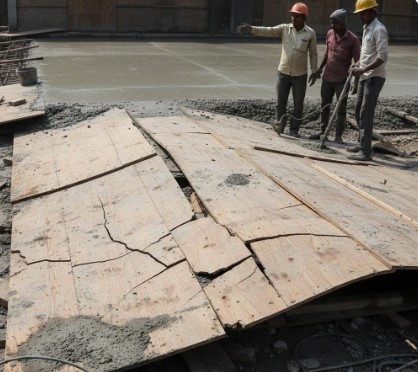
Low Purchase Price, Low Reuse Cycles
The biggest drawback of cheap shuttering ply is its limited reuse capability. While premium ply can be reused 25–30 times, low-grade ply often fails after just 8–12 uses.
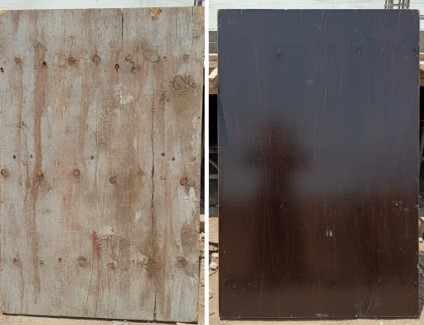
Poor Core Bonding Leads to Early Failure
Cheap shuttering ply usually contains mixed or low-grade core veneers with weak bonding. When exposed to water and load, the layers start separating.
- Delamination after few uses
- Water absorption and swelling
- Loss of load-bearing strength
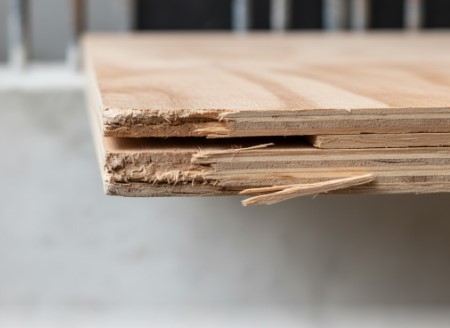
Higher Repair, Replacement & Labour Cost
When shuttering ply fails early, builders face:
- Frequent purchase of new plywood
- Extra labour for replacement
- Delays in slab casting
- Higher material wastage
This increases the overall cost per square foot, even though the initial ply price was low.
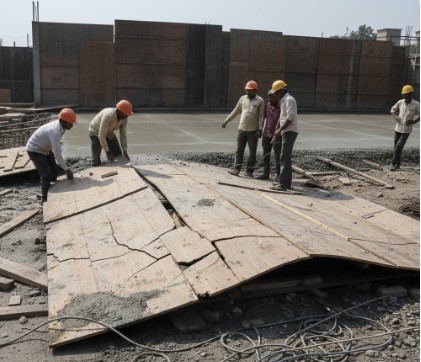
Poor Concrete Finish Adds Hidden Costs
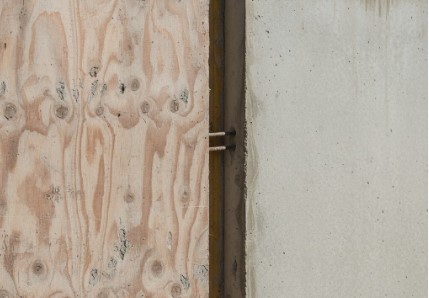
Cheap shuttering ply produces uneven concrete surfaces, requiring extra plastering and finishing work.
Premium phenolic film-faced shuttering ply gives a smoother finish, reducing finishing expenses.
Why Quality Shuttering Ply Is a Better Investment
High-quality shuttering ply offers:
- Higher reuse cycles
- Better water resistance
- Stronger load capacity
- Lower cost per use
Trusted brands like Salha Ply focus on strong core bonding, superior film quality, and consistent performance.
Conclusion
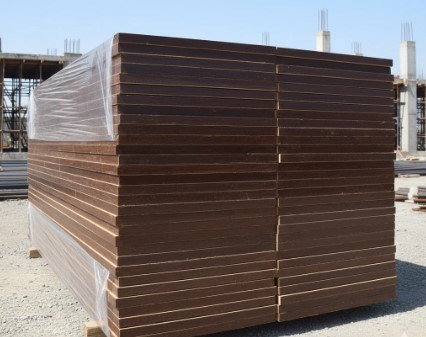
Cheap shuttering ply may reduce upfront cost, but it increases expenses through low reuse, higher labour, and poor finish.
Investing in quality shuttering ply ensures long-term savings, better construction quality, and smoother project execution.