
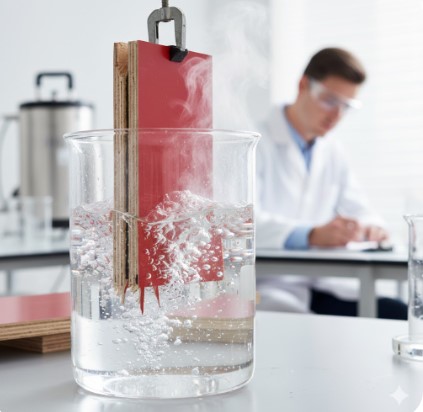
How Boiling Water Test Proves Shuttering Ply Quality
The Boiling Water Test (BWT) is one of the most reliable methods used to evaluate the quality of shuttering ply. It helps determine whether the plywood can withstand extreme moisture and harsh construction conditions.
In this blog, we explain what the boiling water test is, how it is performed, and how it proves the durability, bonding strength, and overall quality of shuttering ply.
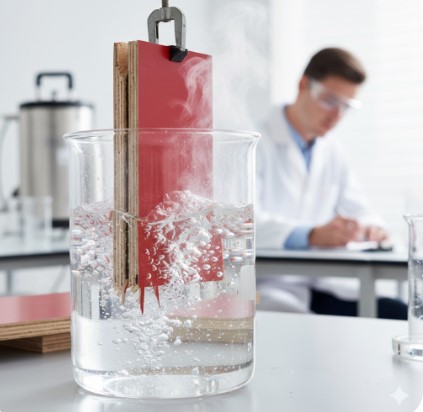
What Is the Boiling Water Test for Shuttering Ply?
The boiling water test is a standard quality test in which shuttering ply samples are immersed in boiling water for a specific duration. The objective is to check whether the plywood layers remain intact without swelling or delamination.
This test is especially important for BWP (Boiling Water Proof) shuttering ply used in RCC formwork and concrete shuttering.
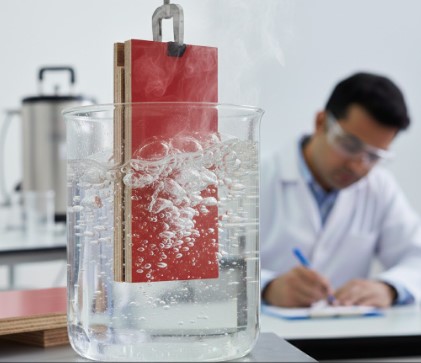
Why Boiling Water Test Is Important for Shuttering Ply
Shuttering ply is constantly exposed to water, cement slurry, and changing weather conditions at construction sites. If the bonding between layers is weak, the plywood may fail.
- Ensures resistance against delamination
- Checks quality of phenolic resin bonding
- Validates suitability for wet construction environments
- Confirms long-term performance and reusability
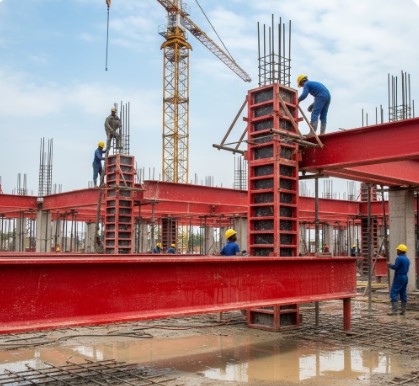
How the Boiling Water Test Is Performed
The test follows a controlled procedure to accurately measure the bonding strength of shuttering ply.
- Plywood samples are cut to standard sizes
- Samples are immersed in boiling water for several hours
- After boiling, samples are cooled naturally
- Edges and layers are inspected for swelling or separation
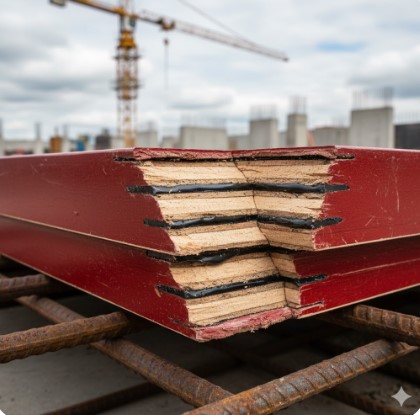
What a Good Quality Shuttering Ply Shows After the Test
High-quality shuttering ply that passes the boiling water test will show no visible signs of damage even after extreme exposure.
- No delamination between layers
- No edge swelling or warping
- Uniform bonding across veneers
- Consistent thickness and strength

What Happens If Shuttering Ply Fails the Test
If shuttering ply fails the boiling water test, it indicates poor resin quality or weak bonding. Such plywood is not suitable for heavy construction work.
- Layers start separating (delamination)
- Edges swell and crack
- Reduced load-bearing capacity
- Lower number of reuse cycles
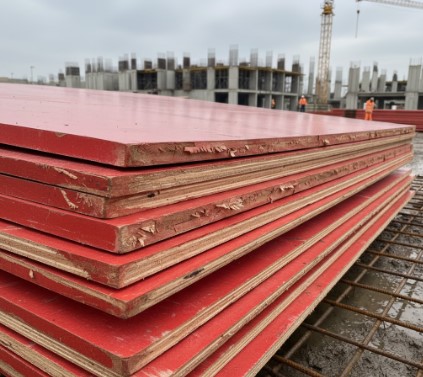
How Boiling Water Test Helps Buyers Choose the Right Ply
For contractors, engineers, and builders, the boiling water test serves as a clear indicator of shuttering ply performance. Choosing BWP-grade shuttering ply ensures safety, durability, and cost efficiency on construction sites.
Reputed manufacturers conduct this test to guarantee consistent quality and reliable results.
Conclusion
The boiling water test is a critical benchmark that proves the true quality of shuttering ply. It ensures that the plywood can withstand harsh site conditions without swelling or delamination.
When selecting shuttering ply, always look for BWP-grade, phenolic bonded plywood that has passed the boiling water test to ensure long-lasting and dependable construction performance.